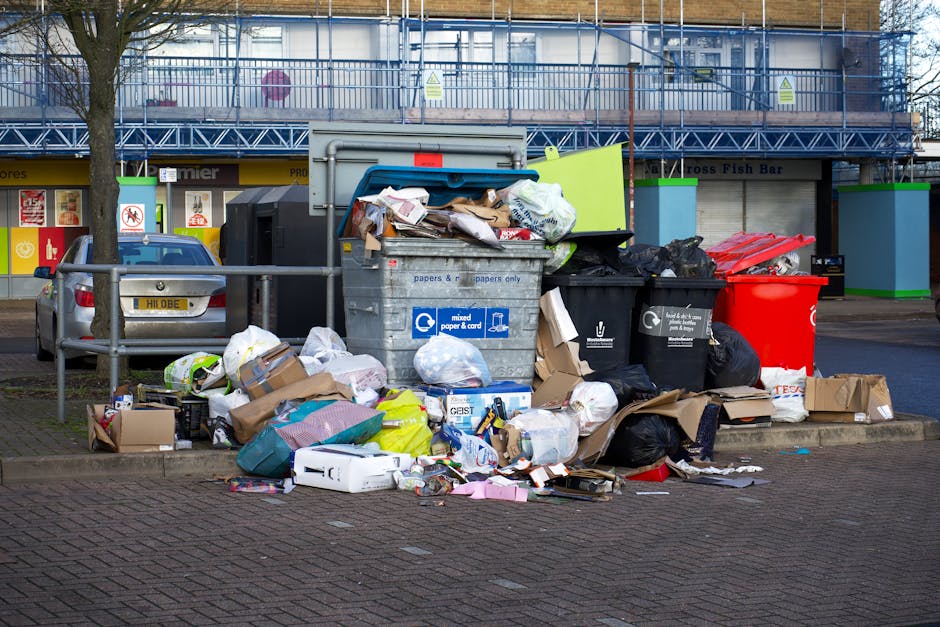
Bow and Mile End house clearance and rubbish removal local guide
If you are dealing with a full property clear-out, a few bulky items, or a build-up of mixed waste, Bow and Mile End house clearance and rubbish removal can feel like one of those jobs that grows legs. One minute it is a spare room, the next it is bags, furniture, and "I'll deal with that later" piles everywhere. This local guide is here to make the process simpler, calmer, and a lot more practical.
We will walk through how clearance and removal usually works in Bow and Mile End, what to check before you book, where people often get caught out, and how to choose the right service for flats, terraces, home moves, probate clearances, garden waste, garage clear-outs, and general rubbish removal. Along the way, you will also find a few useful internal resources if you want to compare related services, like house clearance, rubbish removal, and flat clearance.
Table of Contents
- Why Bow and Mile End house clearance and rubbish removal local guide Matters
- How Bow and Mile End house clearance and rubbish removal local guide Works
- Key Benefits and Practical Advantages
- Who This Is For and When It Makes Sense
- Step-by-Step Guidance
- Expert Tips for Better Results
- Common Mistakes to Avoid
- Tools, Resources and Recommendations
- Law, Compliance, Standards, or Best Practice
- Options, Methods, or Comparison Table
- Case Study or Real-World Example
- Practical Checklist
- Conclusion
- Frequently Asked Questions
Why Bow and Mile End house clearance and rubbish removal local guide Matters
Bow and Mile End sit in a very lived-in part of East London. Homes here are often busy, compact, and not always built for storage. That makes rubbish and clearance work feel more urgent than it might in a larger suburban property. A narrow stairwell, shared hallway, limited parking, or a top-floor flat can turn a simple sofa removal into a whole morning's puzzle. Truth be told, that is where a local guide helps most.
Local knowledge matters because clearance is not just about lifting things. It is about timing, access, property type, and how quickly waste can be moved without causing disruption. In Bow, some jobs are best handled as fast, single-visit clearances. In Mile End, the right approach might be a staged property clear-out with careful separation of furniture, general rubbish, and recyclable material. Small differences, but they add up.
It also matters because the wrong approach can cost you time and stress. If waste is left in a communal area, neighbours notice. If a van arrives too small, the job can overrun. If items are not separated properly, disposal gets messy. And nobody enjoys living with a half-cleared room that still smells faintly of old carpets and damp cardboard. Not glamorous, no.
Expert summary: For Bow and Mile End, the best clearance outcomes usually come from careful planning, clear item lists, sensible access checks, and a local service that understands flats, terraces, and tight London streets.
If your needs lean more toward household decluttering than one-off bulky waste, a broader home clearance service may be the better fit. If you are clearing a specific room or a recently vacated property, the more focused rubbish clearance route can be simpler and more cost-effective.
How Bow and Mile End house clearance and rubbish removal local guide Works
At a practical level, the process starts with identifying what needs to go. That sounds obvious, but it is where many people save or lose money. A service for a single broken wardrobe is very different from a full clearance after a tenancy, renovation, or bereavement. Most providers will want a rough item list or photos so they can estimate the load and plan the visit.
Next comes access. In Bow and Mile End, access often decides the whole day. Is there a lift? Can a van park close enough? Are there yellow lines, controlled parking zones, or permit restrictions? Are the items on the third floor? These details are not side issues. They are the job.
Then there is sorting. Reputable clearances normally separate reusable items, furniture, general rubbish, and waste streams where possible. For example, a mixed clearance might include a mattress, boxes of old papers, a broken side table, and garden waste. The team needs to know what can be lifted safely, what needs disassembly, and what should go into the right disposal route. If you need help with old wardrobes, tables, or a sofa that has seen better days, the related furniture disposal and sofa removal services are worth comparing.
Finally, the job is completed and the property is left tidy. A good crew will not just empty the space and disappear in a cloud of dust. They should sweep up loose debris, remove awkward leftovers, and make sure the area is safe to use again. That finishing touch matters more than people expect. You notice it immediately when it is missing.
For bigger mixed loads, especially if you are juggling bulky waste and everyday clutter, it helps to understand the difference between waste removal, waste collection, and waste disposal. They overlap, but they are not quite the same thing.
Key Benefits and Practical Advantages
The biggest benefit is obvious: you get your space back. But the real value of a good clearance service goes beyond the empty room. It can reduce decision fatigue, help with deadlines, and stop a small mess becoming a household headache.
- Less physical strain: heavy lifting, awkward stairs, and bulky items are handled for you.
- Faster turnaround: a job that could take you a full weekend may be completed in a single visit.
- Better organisation: items can be sorted for disposal, donation, or re-use where appropriate.
- Reduced risk of damage: moving large furniture yourself can mark walls, floors, and door frames.
- Cleaner final result: a proper clearance leaves the place more usable straight away.
There is also a mental benefit. People often underestimate how much a cluttered room weighs on them. A cleared spare room, a cleaned-out garage, or a tidy hallway changes how the whole property feels. You can breathe a bit easier. Simple, but real.
For business owners or landlords managing mixed premises, the same logic applies. A small office, shop stockroom, or rental flat can become far more usable once the rubbish is out of the way. If that sounds like your situation, it may help to look at office clearance or business waste as adjacent options.
Who This Is For and When It Makes Sense
This guide is useful if you are a homeowner, tenant, landlord, letting agent, executor, or tradesperson working in Bow or Mile End. In practice, the most common reasons people book clearance support are probably these:
- moving house and wanting to leave less behind
- clearing a flat after tenants move out
- dealing with inherited property contents
- getting rid of old sofas, wardrobes, beds, or white goods
- clearing garages, sheds, lofts, or gardens
- removing builder's waste after light refurbishment
It also makes sense when you have a deadline. End of tenancy. Completion day. A family visit. A repair job that cannot start until a room is emptied. These moments are where a local rubbish removal service earns its keep.
For flats and smaller properties, a specialist approach is often better than a general "we'll take anything" mindset. Stairs, entry codes, shared access, and parking restrictions all add friction. That is why a service such as flat clearance can be more sensible than trying to manage it piecemeal yourself.
And if the issue is less about a whole property and more about a garage, garden, or one overstuffed room, targeted help like garage clearance or garden clearance may be the better route. No need to overbuy the service if a smaller one fits.
Step-by-Step Guidance
Here is the simplest way to approach a Bow or Mile End clearance without making it more complicated than it needs to be.
- List what needs removing. Group items into furniture, general rubbish, electricals, garden waste, builders' debris, and anything sensitive or personal.
- Take clear photos. A few wide shots of each room, plus close-ups of bulky items, help estimate labour and vehicle size.
- Check access details. Note stairs, lifts, parking, floor level, estate entrances, and any time restrictions.
- Decide what stays. Mark keep items with tape or move them into a separate room if possible. It avoids the awkward "was this going too?" moment.
- Ask what is included. Find out whether loading, sweep-up, and disposal are covered, and whether extra charges may apply for especially heavy or awkward items.
- Prepare the space. Clear hallways where possible, unplug appliances, and remove fragile items from the route.
- Be ready on the day. If the crew needs access, keys, parking guidance, or a buzz code, have that sorted beforehand.
A small tip from real life: if you think an item might be reused or donated, set it aside early. Once it is mixed in with general rubbish, that decision usually gets harder, and people end up keeping too much or throwing away too much. Neither is ideal.
If your clearance includes construction debris rather than household clutter, the approach changes a bit. You will want a service experienced in builders waste, especially if there is plasterboard, timber offcuts, tiles, or packaging from renovation materials.
Expert Tips for Better Results
The best clearances tend to be the ones that are planned just enough, not micromanaged to death. Here are a few practical tips that save time and frustration.
- Separate sentimental items early. If something matters to you, remove it before the team arrives. In the middle of a busy clearance, even good intentions can get muddled.
- Photograph everything. This helps both with pricing and with later confirmation of what was removed.
- Be realistic about volume. A single mattress is not the same as a full bedroom set plus bagged rubbish.
- Check for hidden extras. Old lofts and cupboards often contain more than people remember. Funny how that happens.
- Consider item type, not just item count. Two heavy wardrobes may be more work than twenty bin bags.
Also, if you are trying to make the place ready for sale or handover, do not focus only on the obvious rubbish. Skirting-level dust, leftover screws, broken blinds, and bits of packaging can make a room feel unfinished. It is the little things. Always.
For mixed household jobs, one efficient option is a broader waste clearance service, because it can handle the transition between furniture removal, bagged waste, and leftover clutter without making you book separate visits for every category.
Common Mistakes to Avoid
Most problems are predictable, which is good news, because predictable problems are easier to avoid. A few of the most common ones are below.
- Not measuring bulky items. Sofas and wardrobes can look smaller in photos than they are in the hallway.
- Leaving access too late. Parking and entry details should be sorted before the van arrives.
- Mixing keep and remove piles. This is the classic one. A tiny amount of planning saves a lot of awkwardness.
- Ignoring disposal constraints. Some items need specific handling, especially electricals or contaminated waste.
- Choosing only on price. Cheap can become expensive if the service is too small, too slow, or not properly organised.
Another subtle mistake is assuming every clearance is the same. A probate flat, a student tenancy, a family home, and a trade waste job all need different approaches. If you match the wrong service to the job, you usually pay for it in delays or rework. Not ideal at all.
Tools, Resources and Recommendations
You do not need a truckload of equipment to prepare for clearance, but a few simple tools make the job easier.
- Marker tape or sticky notes: label items to keep, donate, or remove.
- Phone camera: take room shots and close-ups of heavier items.
- Dust sheets or old blankets: protect floors and doorways if items need moving through tight spaces.
- Boxes and sturdy bags: keep loose contents together so they are easier to move.
- Basic measuring tape: handy for checking whether a sofa or wardrobe can exit without turning into a small drama.
From a service perspective, think in terms of the exact job rather than the broad label. A few common distinctions help:
- rubbish collection is often best for straightforward load-and-go work
- rubbish removal suits mixed household or property waste
- waste collection may be a better fit for planned pickups
- waste disposal is the final stage, so ask how items are handled after collection
For more background on the company and the areas served across East London, it can also help to review the broader East London service area and the about us page before deciding.
Law, Compliance, Standards, or Best Practice
Clearance and rubbish removal in the UK sits in a space where common sense and compliance meet. You do not need to become a legal expert, but you do want to avoid handing waste to the wrong person or leaving yourself exposed to a messy after-effect.
A trustworthy clearance service should be able to explain where waste goes and how it is handled. That matters because householders and landlords can still be left with questions if waste is fly-tipped, dumped improperly, or moved by an unlicensed operator. So ask. Plainly. It is a fair question.
Best practice usually means the service:
- handles waste responsibly and keeps it out of unsuitable locations
- separates reusable items where practical
- works safely around stairs, tight hallways, and shared entrances
- communicates clearly about exclusions and heavier items
- respects the property and leaves the site tidy
If you are a landlord, agent, or business owner, the duty of care side becomes even more important in practice. You want a service that can deal with the job without creating problems for the next tenant, neighbour, or contractor. And if the clearance is connected to a business unit rather than a home, you may want to compare it with business waste or office clearance depending on the mix of items.
One more sensible point: keep records of what was removed if the job is tied to a tenancy end, probate file, or commercial handover. A few photos and a simple note can save time later. Not exciting, but very useful.
Options, Methods, or Comparison Table
People often ask whether they should do the job themselves, book a man-and-van style pickup, or choose a more complete clearance service. The answer depends on volume, urgency, access, and how much lifting you want to do yourself.
| Option | Best for | Pros | Watch out for |
|---|---|---|---|
| DIY disposal | Very small loads and people with time, transport, and lifting help | Direct control, flexible timing | Multiple trips, parking stress, heavy lifting, disposal logistics |
| Bulky item pickup | Single items or a few large pieces | Simple, quick to arrange | Can become inefficient for mixed loads or room clearances |
| Full house or flat clearance | End-of-tenancy, probate, move-out, major declutter | Comprehensive, time-saving, better for mixed contents | Needs clear instructions and access planning |
| Targeted waste clearance | Garden waste, garage contents, bagged rubbish, mixed domestic waste | Good balance of speed and value | Less suited to full property emptying if the volume is large |
If you are clearing a flat in Mile End with a few bulky items and a lot of general rubbish, a blended approach can work well. If you are dealing with an inherited terrace in Bow where every room needs attention, a fuller house clearance is probably the more sensible choice. There is no award for making it harder than it needs to be.
Case Study or Real-World Example
A typical local scenario looks like this. A family in Bow needs to empty a two-bedroom flat after a move. There is a sofa, an old bed frame, several bags of mixed clutter, a small bookshelf, and a few items left in the hallway cupboard. The lift is unreliable, the stairwell is narrow, and parking outside is limited to a short loading window. Not ideal, but manageable.
Instead of trying to shift everything in borrowed cars over two days, they take photos, separate the items they want to keep, and book a local clearance service that understands flats and access constraints. On the day, the team comes with the right vehicle size, loads from the room in a sensible order, and clears the hallway last to avoid blocking the route. The result is a property that is ready for cleaners and handover by the afternoon.
Now compare that with a Mile End example: a householder wants to clear a garage after years of accumulated boxes, broken garden tools, old paint tins, and a stack of furniture nobody wants. In that case, a general rubbish job would not be enough on its own. A combined garage, furniture, and waste approach is more practical, especially if a few items are reusable and the rest need proper disposal. That is exactly where a joined-up service saves both time and sanity.
To be fair, not every job goes perfectly on first sight. Sometimes there is more hidden behind a cupboard than anyone expected. But a good plan usually turns a rough-looking job into a clean finish.
Practical Checklist
Use this before the crew arrives. It keeps the day smoother than winging it.
- Make a clear list of everything to be removed
- Separate keep items from remove items
- Take photos of rooms and bulky items
- Measure large furniture if access looks tight
- Check parking, entry, and lift access
- Confirm the type of waste involved
- Set aside any sensitive documents or valuables
- Unplug appliances and defrost freezers if needed
- Clear routes through hallways where possible
- Ask what happens to reusable or recyclable items
- Confirm whether sweep-up is included
- Have keys, codes, or contact details ready
That may sound like a lot, but once you do it once, it becomes second nature. And it really does make the day easier.
Get a free quote today and see how much you can save.
Conclusion
Bow and Mile End house clearance and rubbish removal is most effective when it is handled with local awareness, clear planning, and the right service match. The best outcomes come from knowing whether you need a full clearance, a targeted rubbish pickup, furniture disposal, or something more specialised like garden or garage clearance. That small bit of clarity makes a big difference.
In a part of London where space is precious and access can be tricky, it pays to think ahead, ask direct questions, and choose a service that understands the realities of flats, terraces, and tight streets. Do that, and the whole process becomes a lot more manageable. Less stress, fewer surprises, and a space that feels useful again. Which, let's face it, is the whole point.
If you are ready to clear the clutter and move forward, take the practical route and start with the job in front of you. One room, one load, one step at a time. You will get there.
Frequently Asked Questions
What is included in Bow and Mile End house clearance and rubbish removal?
It usually includes loading, removal, transport, and disposal of unwanted household items, furniture, bagged waste, and other agreed materials. Some jobs also include a sweep-up at the end, but it is worth confirming that in advance.
Is a flat clearance different from a house clearance?
Yes, mainly because flats often involve stairs, lifts, shared entrances, and tighter access. A flat clearance is usually planned around those constraints, while a house clearance may involve more room-to-room work and larger volumes.
How do I know whether I need rubbish removal or house clearance?
If you have a few items, mixed waste, or a smaller load, rubbish removal may be enough. If you are emptying multiple rooms, clearing a property after a move, or dealing with many bulky items, house clearance is usually the better fit.
Can furniture and general waste be collected together?
Often, yes. Many clearances handle mixed loads, including furniture, bagged rubbish, and smaller household waste. It helps to list the item types clearly so the team can plan the right vehicle and time.
What should I do before a clearance visit?
Separate keep items from remove items, clear access paths, take photos, and make sure parking or entry details are ready. If you can, measure larger furniture too. That one little step can save a headache later.
Do I need to be at the property during the clearance?
Not always, but someone should be available to give access, confirm what goes, and answer questions if needed. For sensitive jobs, such as probate or landlord clearances, being on hand is usually wise.
What happens to items after they are removed?
That depends on the service and the type of waste. Some items may be sorted for reuse or recycling where possible, while the rest are taken for disposal. It is sensible to ask how this is handled before booking.
Are garden clearances and garage clearances treated differently?
Yes. Garden clearance often includes green waste, broken pots, soil, and outdoor clutter, while garage clearance usually involves mixed storage items, tools, boxes, old furniture, and household overflow. The access and waste mix can be quite different.
How can I avoid overpaying for a clearance?
Give accurate photos, describe the access clearly, and be honest about volume. The biggest pricing mistakes usually come from underestimating how much there is or forgetting about awkward access that slows the job down.
What if I only need one sofa removed?
Then a focused sofa removal or furniture disposal service may be more appropriate than a full clearance. That keeps the job simple and avoids paying for a service larger than you need.
Is it okay to mix builders' waste with household rubbish?
It is usually better to separate them, because builders' waste can need different handling from ordinary domestic rubbish. If your job includes renovation debris, ask specifically about builders waste before booking.
Why should I choose a local service in Bow or Mile End?
Local providers tend to understand parking, access, and typical property layouts in the area. That often means fewer delays, better planning, and a smoother experience overall. In a busy part of East London, that matters more than people think.